

The Compliance Roadmap: Your Complete Guide to California’s Clean Truck Check in 2026
Author
Bahram Najafzadeh
Date Published
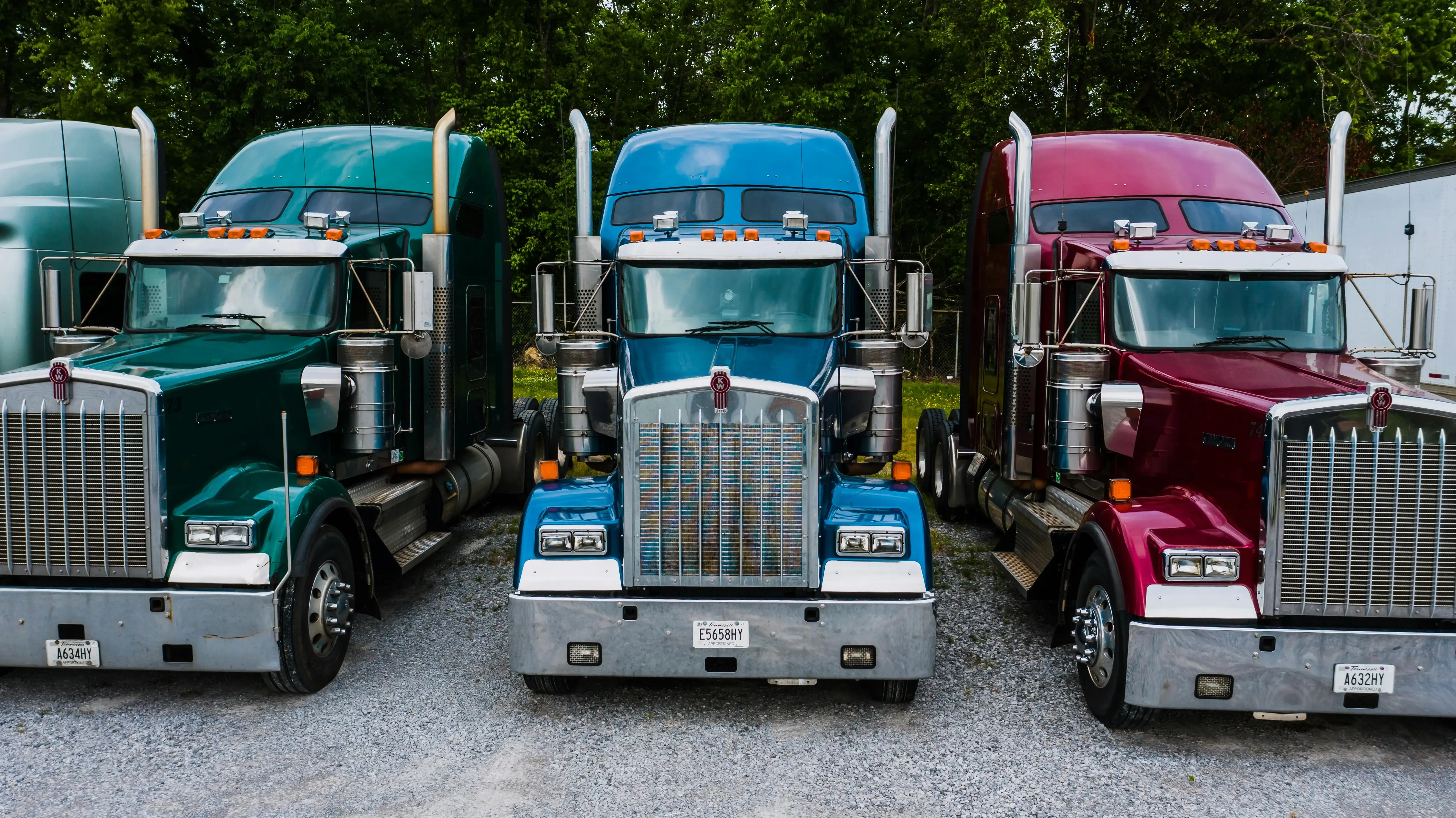
California remains the nation’s driving force for clean air—and if you own or operate heavy-duty trucks, buses, or large work vans, 2026 marks the point where the new expectations are fully enforced.
The Clean Truck Check (CTC), managed by the California Air Resources Board (CARB), is California's permanent answer to emissions control for big vehicles. This guide walks you through what you need to know now to stay compliant, keep your wheels turning, and avoid costly fines and downtime.
What Exactly is the Clean Truck Check?
Think of the Clean Truck Check (formerly known as “HD I/M” or Heavy-Duty Inspection and Maintenance) as the heavy-duty version of the passenger car smog check—but with much higher stakes and more stringent, continuous oversight.
Its fundamental goal is to make sure large trucks, buses, and other heavy vehicles maintain properly functioning emissions-control systems throughout their operating lives, not just when they are initially bought.
The program combines three major elements to achieve this:
Periodic Emissions Testing: Scheduled checks via an On-Board Diagnostics (OBD) scan or a smoke opacity test, depending on the vehicle’s technology.
Remote Enforcement: The use of sophisticated roadside emissions monitoring devices (REMDs) to scan for high-emitting vehicles in real-time. If your truck gets flagged, you’ll receive a Notice to Submit to Testing (NST) and have 30 days to fix and retest it.
Centralized Tracking: The required online database, the CTC-VIS (Clean Truck Check Vehicle Inspection System), where all compliance actions—registration, fee payment, and test results—are recorded and tracked.
Who Must Comply (and Who Gets a Pass)?
The program’s reach is extensive. If you are operating a heavy vehicle in California, assume you are included.
Vehicles Subject to Clean Truck Check:
Any diesel, alternative-fuel, or hybrid heavy vehicle with a Gross Vehicle Weight Rating (GVWR) over 14,000 pounds.
This includes commercial fleets, individual owner-operators, public vehicles, and even California-registered motorhomes.
Crucially: This applies to trucks registered in California AND those registered out-of-state that travel on California roads.
Exemptions (or Reduced Requirements):
Zero-Emission Vehicles (ZEVs): Battery-electric or hydrogen fuel-cell vehicles are exempt from testing.
Certain specialty, military, or historic vehicles may be excluded.
California-registered motorhomes and on-road agricultural vehicles have a reduced testing requirement (annual instead of semi-annual).
Your 2026 Compliance Checklist: Three Steps
To be fully compliant and avoid having your vehicle flagged or registration holds placed by the DMV, you must complete these three steps for every covered vehicle:
Register in CTC-VIS: Create an account and report each vehicle (owner/fleet info, VIN, etc.) in CARB’s official Clean Truck Check Vehicle Inspection System portal.
Pay Annual Fee: Pay the annual compliance fee per vehicle. The 2026 compliance fee is set at $32.13 per vehicle, a small adjustment based on inflation.
Submit Passing Emissions Tests: Ensure your vehicles undergo periodic emissions testing on schedule and the passing results are submitted by a CARB-credentialed tester to the CTC-VIS database.
The 2026 Testing Frequency
2026 is the year where the full testing schedule is mandatory for most vehicles:
Semi-Annual Testing (Twice Per Year): This is the default requirement for the majority of heavy-duty commercial vehicles.
Looking Ahead to 2027: The rules get even stricter for newer, OBD-equipped vehicles, which will move to quarterly compliance checks (four times per year).
Pro Tip: You can submit your passing test up to 90 days early before your deadline to give yourself a buffer for any repairs.
The Cost of Failure: Why You Must Plan Ahead
The consequences of ignoring Clean Truck Check compliance are designed to halt operations and cost you money. You can face:
DMV Registration Holds: The California DMV will place a hold on your vehicle's registration, preventing renewal or issuance of new plates. You cannot legally operate your truck until the compliance issue is resolved.
Fines and Civil Penalties: Fines can be assessed for overdue or failed tests, as well as for confirmed tampering.
Operational Disruption: Non-compliant vehicles may be taken out of service during roadside inspections by CARB or CHP, causing massive delays and lost revenue.
Your Action Plan for 2026
Compliance requires treating the Clean Truck Check not as an extra burden, but as a critical part of your routine maintenance schedule.
Master the CTC-VIS: Appoint a reliable person to manage the CTC-VIS login. Register every vehicle immediately, pay all fees when they are due, and use the dashboard to track individual deadlines.
Ensure OBD Readiness: For newer trucks, the fastest way to fail an OBD test is to have an active Check Engine Light or monitors that are Not Ready. Clear diagnostic codes only after repairs are made, and ensure the vehicle has been driven enough for the emissions monitors to complete their cycles before testing.
Use Certified Professionals: All testing must be performed by a CARB-credentialed tester using CARB-certified equipment. You can either use a third-party testing facility or have a member of your own staff become credentialed by completing CARB's free online training and passing the exam.
Set Proactive Reminders: Schedule your semi-annual tests 60 days before the deadline. This provides a two-month window for a retest if the first one fails, keeping you safely compliant.
2026 is the year of discipline. For those who embrace the tracking, standardization, and maintenance required by the Clean Truck Check, it's business as usual. For the unprepared, it's a costly roadblock.
Why California's Clean Truck Check (HD I/M) Program is a Game Changer
Discover why California's Clean Truck Check program is essential for improving air quality and public health. This mandatory inspection ensures heavy-duty vehicles comply with strict emissions standards across the state.
Read More