
Nevada Smog Check Program: The 2026 Essential Guide for Drivers
Author
Bahram Najafzadeh
Date Published
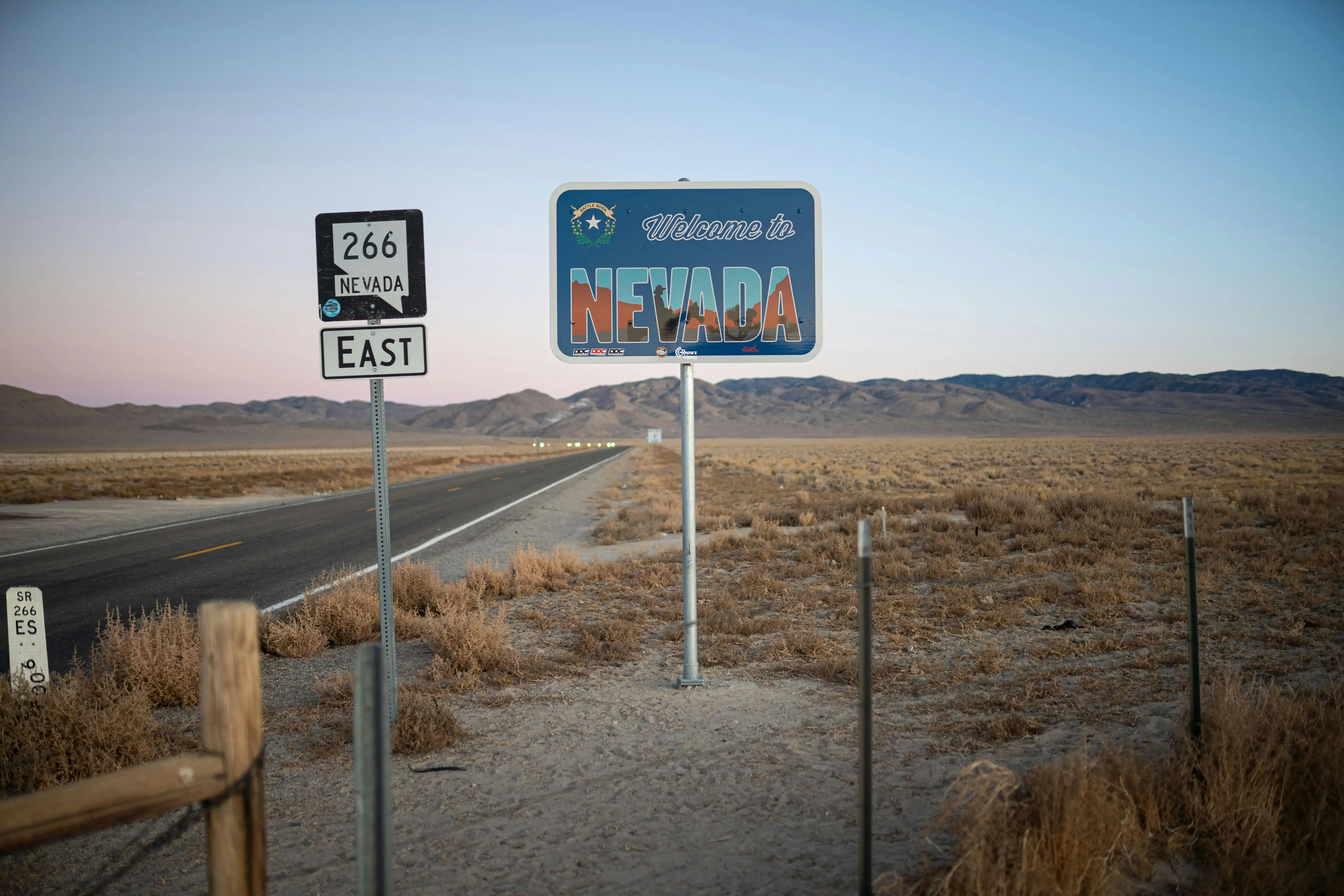
If you are moving to Nevada or just received your registration notice, you have probably noticed that the Silver State does things a bit differently than California. While Nevada’s program is focused and efficient, it is not a one-size-fits-all statewide requirement.
Understanding where you live and what you drive is the key to avoiding DMV headaches. Here is everything you need to know about the Nevada Smog Check Program in 2026.
Where is Smog Testing Required?
The first thing to know is that Nevada does not have a statewide smog requirement. Emissions testing is strictly limited to the state’s two most urban areas where air quality is closely monitored:
Clark County: The Las Vegas valley, including Henderson and North Las Vegas.
Washoe County: The Reno and Sparks area.
If you live in Carson City, Elko, or any other rural county, you are typically exempt from smog testing unless your vehicle is a high-emitter flagged by law enforcement.
Which Vehicles Need a Test?
In Clark and Washoe counties, most gasoline and diesel vehicles from model year 1968 and newer must be tested annually. However, Nevada offers some generous exemptions that differ from California's rules:
The New Car Grace Period: Brand-new gasoline vehicles are exempt for their first three registration cycles. You will not need your first smog check until the vehicle's fourth registration.
The Hybrid Advantage: New hybrid-electric vehicles are exempt for their first five model years.
Classic Vehicles: If your car is a Classic Rod or Classic Vehicle and you drive it less than 5,000 miles per year, you can claim an exemption, though this requires a yearly odometer certification and specific insurance documentation.
Heavy-Duty Diesel: Diesel vehicles with a manufacturer's weight rating over 14,000 lbs are exempt from the standard smog check.
How the Test Works: OBD-II vs. Tailpipe
Nevada’s testing method depends entirely on the age of your vehicle. It is generally faster than a California inspection:
1996 and Newer (OBD-II): For most modern cars, there is no tailpipe test. The technician plugs a scan tool into your car’s computer to check for codes and ensure your readiness monitors are set.
1995 and Older (Two-Speed Idle): These vehicles undergo a traditional tailpipe test. The technician measures pollutants while the engine is at idle and again at 2,500 RPM to ensure it meets state standards.
A Note on the Check Engine Light: In Nevada, if your light is on, it is an automatic failure for 1996 and newer vehicles. Unlike some other states, Nevada analyzers send results to the DMV in real-time, so the state knows the outcome of your test almost instantly.
Costs and Convenience
Unlike California, Nevada does not have a state-mandated certificate fee like the $8.25 fee. Instead, stations set their own market-based pricing.
Typical Price: Expect to pay between $30 and $60 for a standard test.
On-the-Spot Renewal: Many Nevada smog stations are authorized On-the-Spot locations. This means you can get your smog check and renew your registration to get your new decal right at the shop, skipping the DMV line entirely.
What if You Fail? (The Waiver Process)
Nevada is relatively fair when it comes to failures. If your car fails, you must have it repaired at a licensed 2G station. If it still fails after significant repairs, you may be eligible for a Repair Waiver.
In 2026, the minimum repair spending to qualify for a waiver is typically $450 in Clark County and $200 in Washoe County. These repairs must be performed by a licensed 2G station to count toward the limit. Note that waivers are not issued for vehicles emitting visible smoke or those with tampered emissions equipment.
Pro-Tips for a Passing Grade
Warm It Up: Drive for 15 to 20 minutes at freeway speeds before arriving. A cold catalytic converter is a common cause of borderline failures.
The Battery Rule: If you just replaced your battery, do not go to the smog station immediately. You must drive for about a week to reset the computer's monitors, or the machine will reject your car as Not Ready.
Check for Smoke: Nevada law prohibits visible smoke from any gasoline vehicle. If your car is smoking, get it fixed before you are cited.
Nevada's Emission Control Program: Your Guide to a Clean Ride
Learn about the Nevada Emission Control Program. This guide covers who needs an emissions test, what vehicles are exempt, and what to do if you fail.
Read More
How to Lookup and Fix Car Recalls: A Complete Guide
Find out how to check for car recalls using your VIN. This guide explains how to look up recalls on the NHTSA website and get them fixed for free.
Read More